
About
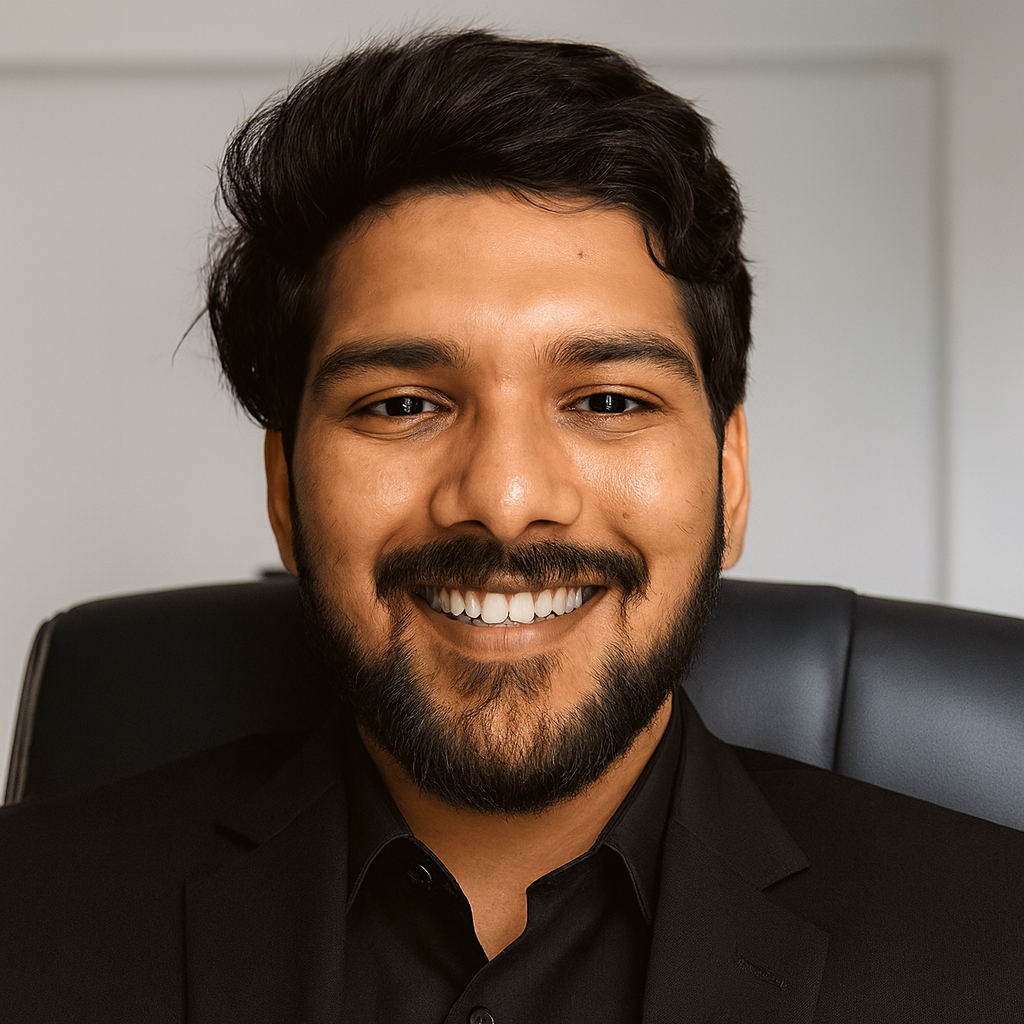
Lalit Kumar
Software Engineer · iOS Developer · Expansion Strategist
I build web products, iOS apps, and the systems behind them — then help businesses take those products to new markets. Based in Gurugram, India. Available worldwide.
A note from me
I got into software because I wanted to build things that actually work — not prototypes or demos, but real tools that real people rely on. That instinct has shaped every project I've taken on since.
Over the years, I've worked with founders, product teams, and operations leaders across industries. The problems change, but the core is always the same: understand the constraint, pick the simplest path that solves it, and execute without drama.
I take on a small number of engagements at a time — deliberately. It means I can show up fully, think carefully, and be genuinely responsible for outcomes rather than just deliverables.
If you're building something and need a technical partner who won't disappear after the first sprint, I'd like to talk.
Background
How I got here
2018
Started with the Web
Built my first production app — a small business management tool — using plain PHP and jQuery. Ugly code, but it shipped and people used it. That was the hook.
2019–20
Went deep on JavaScript
Moved to Node.js, React, and REST APIs. Shipped dashboards, e-commerce integrations, and my first SaaS-style product. Learned the hard way why architecture matters.
2021
Added iOS to the toolkit
Picked up Swift and SwiftUI. Shipped a native iOS app with Apple Wallet passes and push notifications. Fell in love with the platform's design constraints.
2022
Went full-stack + consulting
Started helping companies not just build, but figure out what to build. Architecture reviews, hiring, delivery cadences — the work behind the work.
2023
Expanded globally
Worked across India, SEA, and the Middle East. Built expansion playbooks, helped teams go from 0 → first 100 customers in new markets.
2024–now
Next.js, AI-assisted tooling & beyond
Deep into Next.js App Router, serverless architectures, and lightweight AI integrations. Still shipping — 12+ products launched, still counting.
Stack
Technologies I work with daily
How I work
Principles I don't compromise on
Ship, then iterate
A working product in users' hands beats a perfect spec on a slide. I bias toward momentum and course-correct from real feedback.
Honest about trade-offs
Every technical choice is a bet. I explain what we're trading — speed for safety, simplicity for scale — so you can decide with full information.
Long-term thinking
I care more about building something that lasts than billing more hours. That means writing code I'd be comfortable handing to the next engineer.
Clear communication
No jargon with non-technical stakeholders. No hand-waving with engineers. Progress updates without being asked. No surprises.
Ideal fit
Who I work best with
I do my best work with people who have clear goals but are still figuring out the path. Here's who tends to get the most out of working with me.
Founders who need a technical co-pilot
You have conviction on what to build but need someone who can translate that into architecture, make the hard calls, and keep the team moving without hand-holding.
Product teams moving too slowly
You have engineers, but delivery is unpredictable. I come in, find the bottleneck — usually process, not people — and help the team ship with confidence.
Companies expanding into new markets
You have a product that works in one region and want to take it to India, SEA, or the Middle East. I've done this. I know the localisation traps, the compliance gaps, and how to build the first 100 customers.
Anyone who needs a full-stack generalist
Web front-end, API, iOS, database — sometimes you just need someone who can own the whole thing end-to-end without coordinating three agencies.
Beyond the code
Outside the work
Reading
Product strategy, systems thinking, and the occasional biography of someone who built something that lasted.
Travelling
New markets teach you things no book does. I try to spend time in the places I build products for.
Building in public
Side projects are where I experiment with ideas that are too risky for client work. Some fail loudly. That's the point.
Let's build something together
Whether you have a spec or just an idea, I'm happy to talk through what makes sense.